

Rules of fence etiquette
Generally speaking, email is an information-sharing tool, so most of the time, people prefer to read concise, to-the-point messages. There’s no need to fluff it up with unnecessary details or vague pleasantries, particularly if you’re sending a business email slots empire 100 no deposit bonus. You can be brief without being blunt or rude. According to email etiquette experts, it’s also helpful to include what you’re asking the reader to do—whether it’s committing to a meeting, sending a file or just listening—in the first paragraph so they know what to expect. Here are a few etiquette rules that should really be taught in schools.
Some email programs use a queue to hold emails before sending them, and occasionally messages will get left in the queue and not sent. However, “it got stuck in my outbox” is not a good excuse and is simply bad manners, says Olivier. Make it a habit to ensure all your messages are sent.
Thankfully, you don’t need to take an etiquette class to help you with your email communication. We asked etiquette experts to share the most current rules so you can make the right impression and avoid miscommunication every time you hit send.
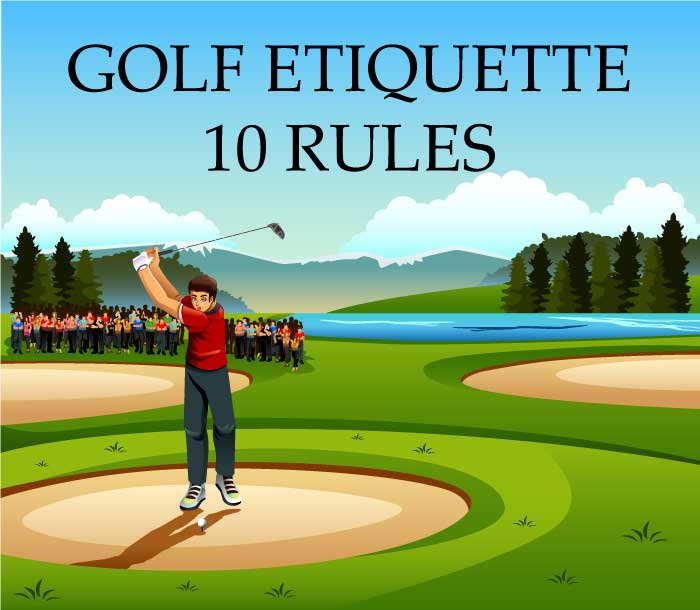
Rules of golf etiquette
Here we are on the next hole, and one of the honor rules of golf etiquette comes into play. Traditionally, the player with the lowest score on the previous hole will tee off first. The tee-off order stays the same if there was no outright winner. If it’s an informal game, you can play “ready golf” and not wait for the best score if he is not ready. Ready golf will also help to speed up the play. They encourage it in all stroke play formats.
If you make a divot (creating a crater in the ground with your club), either replace it or fill it with provided sand. Different courses have different rules depending on the type of turf (replace or fill). Also, if you make a pitch mark on the green with your approach shot, be sure to repair it with a tee or ball mark repair tool.
Unless you’re playing in a tournament where every stroke is counted, if a hole gets out of hand, you don’t have to finish it. Making a 12 on a hole will not affect your handicap any more than making a 7 or 8, so to keep everything moving, it’s OK and preferable to put your ball in your pocket and move on.
The biggest faux pas in golf etiquette is talking while others are hitting. This can annoy fellow golfers and create an uncomfortable atmosphere on the course. Whenever someone stands over the ball, all other activities should halt so they can focus and hit the shot with as little distraction as possible. The smallest sound, like a twig breaking or the faintest whisper, can ruin players’ concentration and mess up their practice swings.
Keeping things moving is a common theme to good golf etiquette, so here are some more guidelines: Don’t take excessive practice swings. One or two should be plenty. And be ready to hit or putt when it’s your turn. Try to gather as much information as you can while other players are hitting their shots, i.e., yardages, how a putt breaks, wind, etc.
It is important to be mindful of golf etiquette when visiting the course. Many forget or ignore one rule: not placing your bag on a tee box. While it may seem trivial to some, it can have serious implications for other golfers and should be avoided at all costs.
Describe the purpose of the rules of etiquette
World wars and increasing social equality resulted in a simpler code, appropriate to the faster tempo and less pampered conditions of life in society. Nonetheless, etiquette remains active on royal or ceremonial occasions and in the more formal aspects of professional or communal life. No rule of law or principle of morality decrees that a soup plate should be tilted away from, never toward, the diner, or that (in Great Britain) a surgeon shall be known as “Mr.” while a physician is addressed as “Dr.,” but etiquette ordains it. Since the framework and content of the communities of which society is formed are constantly changing, the habits of etiquette can and do change with them.
Etiquette serves as a preventive measure against conflict. When people observe polite and respectful behavior, misunderstandings and disputes are less likely to arise. Whether in family gatherings, business negotiations, or public spaces, adhering to established etiquette norms can help prevent confrontations and promote a peaceful coexistence.
etiquette, system of rules and conventions that regulate social and professional behaviour. In any social unit there are accepted rules of behaviour upheld and enforced by legal codes; there are also norms of behaviour mandated by custom and enforced by group pressure. An offender faces no formal trial or sentence for breach of etiquette; the penalty lies in the disapproval of other members of the group. Regardless of its level of material culture, any highly stratified society will possess an etiquette in which every person knows the behaviour expected from him toward others and from others toward himself.
Practicing proper etiquette also has a positive impact on one’s self-confidence and self-respect. When individuals are confident in their ability to navigate social situations with grace, they feel more self-assured. Furthermore, following etiquette guidelines can instill a sense of self-respect, as it reflects one’s commitment to treating themselves and others with dignity.
In our increasingly globalized world, etiquette is instrumental in navigating diverse environments. Different cultures may have unique customs and norms, and understanding and respecting these differences is vital to fostering international relations and cooperation. Etiquette encourages openness and acceptance of diversity, promoting a more inclusive society.
